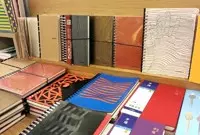
Custom Notebook Buying Guide

Custom Notebook Buying Guide

Custom Notebook Buying Guide

Custom Notebook Buying Guide

Choose binding, size, paper, cover finishes and accessories for your custom notebook. Use PUNDY’s buying guide to prepare a clear project brief.

PUNDY / Since 1990

Custom Notebook Buying Guide

Choose the notebook your customers will reach for. From the way it’s used to the way it feels, turn your choices into a clear project brief.

PUNDY notebook design concepts with an open journal, closed notebooks and a ring binder
AI-generated design illustration.
Final materials and construction are confirmed by sample.
01 / Start with the person using it

What are you making?

Pick the closest use below to reveal a starting specification. These are suggestions to discuss, not fixed packages.

For teams & eventsA branded business notebookFor meeting notes, onboarding and corporate gifts.

Start with: a medium format, fixed pages, a ruled layout and a clearly placed logo.

Then decide: whether the cover, a presentation box or a useful accessory matters most to the recipient.

Compare the binding options →
For stationery & lifestyle brandsA journal collectionFor everyday writing, sketching and creative routines.

Start with: the pen your customers use, a portable format and ruled, dotted, gridded or blank pages.

Then decide: paper feel, page count and a cover finish that belongs in your collection.

Explore layouts and paper →
For planners & publishersA dated diary or plannerFor yearly, monthly, weekly or daily planning.

Start with: the calendar year, target market and page layout. Choose fixed pages or a refillable format.

Then decide: holidays, language, page count and the date your stock needs to arrive.

See the annual diary guide →
For reusable working systemsA refillable organizerFor changing notes, replaceable inserts and dividers.

Start with: the refill dimensions and the ring or binder mechanism, especially if you already have inserts.

Then decide: dividers, pockets and how many pages the finished organizer must hold.

Compare refillable formats →
02 / Choose how the pages work

Keep the pages. Or change them.

Fixed pages suit a finished notebook or edition. Refillable formats let the user replace or reorganize compatible inserts.

PUNDY hardcover notebook product exampleFixed pages

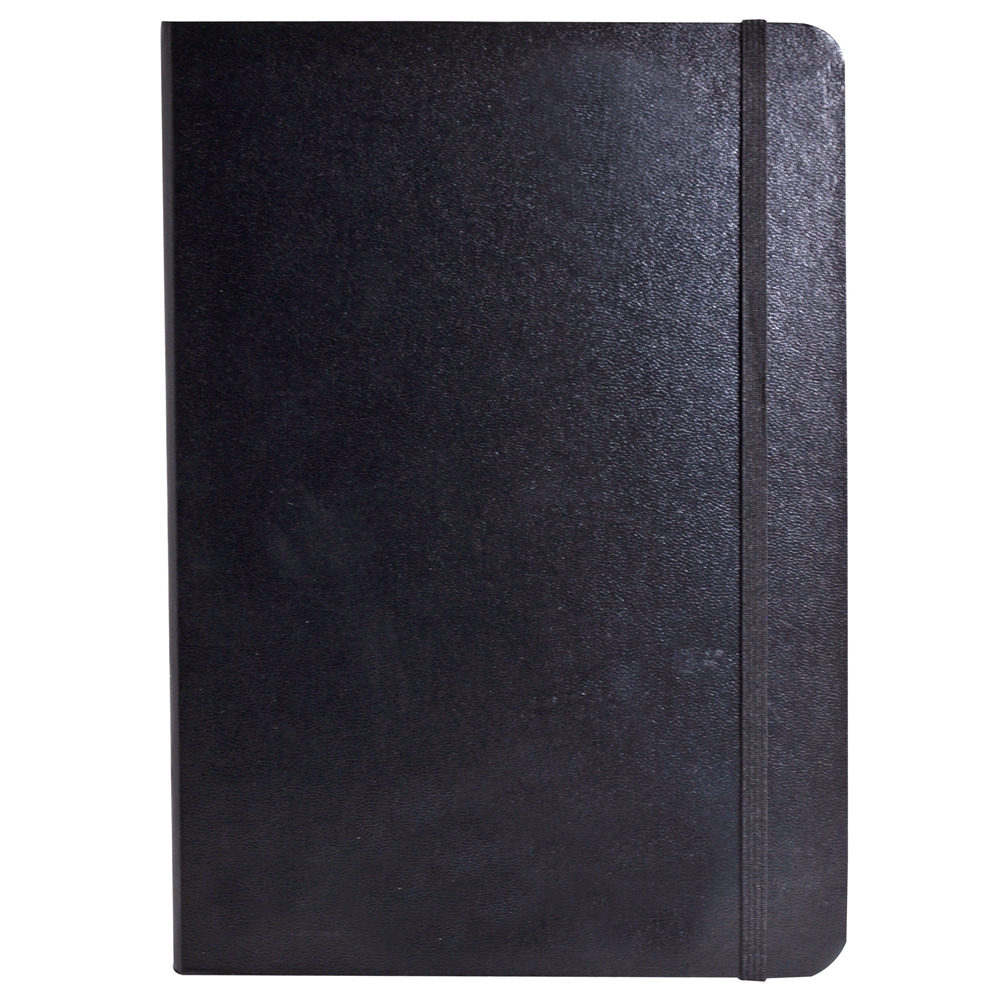
Hardcover notebook

A bound book block with a structured cover, suited to branded journals and complete planner editions.

Check: page count, opening feel and overall thickness together.

Browse hardcover notebooks →
PUNDY loose-leaf organizer product exampleReplaceable inserts

Ring-bound organizer

Choose this when your customers need to add, remove or rearrange compatible pages and accessories.

Check: ring count, hole spacing, mechanism capacity and refill dimensions.

Browse diary organizers →
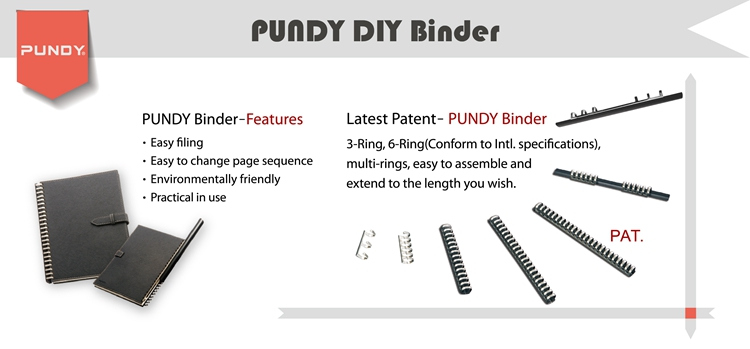
PUNDY DIY binder notebook product exampleModular format

PUNDY DIY binder

A refillable product family for configurable notebooks and organizers.

Check: compatibility with the selected PUNDY mechanism.

Explore PUNDY DIY binders →
Already using refills?

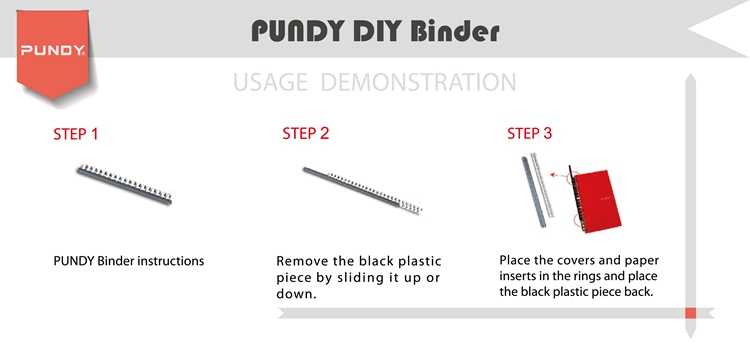
Send the refill width, height, hole count and hole spacing. Confirm the mechanism and capacity before preparing artwork: the same size label does not guarantee compatibility.

03 / Choose the writing space

Small enough to carry.
Large enough to use.

Start with portability versus writing space, then confirm the dimensions in millimetres. Size labels alone are not an artwork specification.

Compact

For bags, travel notes and short daily entries.

Everyday

For a balance of carrying comfort and writing space.

Desk & planning

For detailed schedules, meetings and larger layouts.

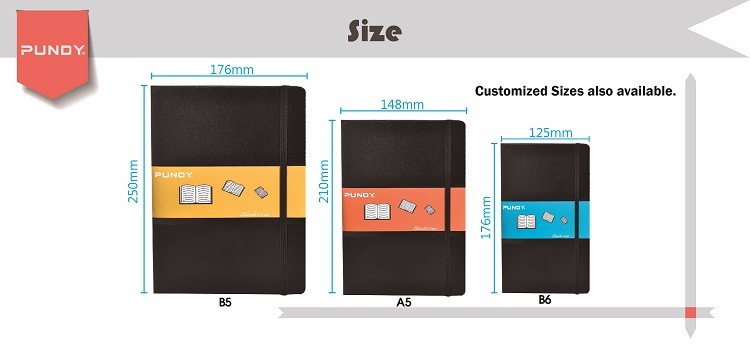
International paper-size references — width × height, portrait orientation.
SizeDimensionsA useful starting point for
A4210 × 297 mmDocument-size layouts and desk use
B5 (ISO)176 × 250 mmA larger writing area
A5148 × 210 mmEveryday notebooks and planners
B6 (ISO)125 × 176 mmCompact journals and portable notes
Ordering a PUNDY format? Codes such as 16K, 25K and 32K are not exact ISO equivalents. JIS B sizes also differ from ISO B sizes. Confirm cover size, inner-page trim and refill holes for the selected model. Diagrams are not to scale.
04 / Design the everyday experience

Choose a layout. Then choose its paper.

Layout determines how the notebook is used. Paper influences writing feel, print appearance and the thickness of the finished book.

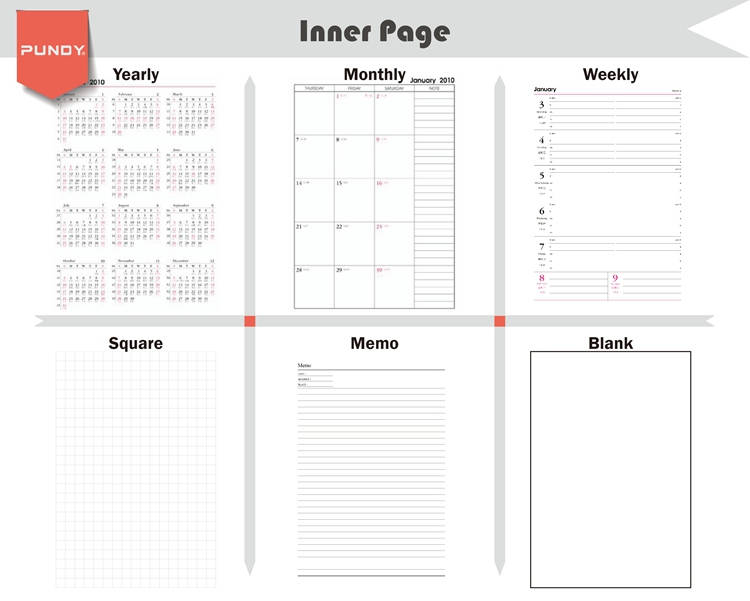
Ruled

Meeting notes, writing and everyday entries.

Dotted or gridded

Flexible planning, diagrams and structured notes.

Blank

Sketches, visual thinking and open-ended ideas.

Dated or undated

Yearly, monthly, weekly and daily planning.

Layout illustrations only. Ruling, spacing, calendar content and print colours are confirmed with your artwork.

Start with the pen.

Tell us whether your customers mainly use ballpoint pens, gel pens or fountain pens. Compare sample writing, drying and reverse-side readability before selecting a stock.

For fountain-pen projects, include the intended nib and ink. “Fountain-pen-friendly” is a selection direction, not a guarantee for every combination.

Paper options to discuss

  • PUNDY Kaan lightly coated woodfree paper
  • PUNDY Maple woodfree offset paper
  • PUNDY Bulky woodfree offset paper
  • Tomoe River S paper

Available paper specifications are confirmed according to current stock and project requirements.

What else can go into the inner pages?

Discuss contacts, checklists, maps, brand information or custom layouts. Confirm content permissions and calendar dates. Specify paper, print colours and page count clearly: one sheet has two sides.

Browse inner-page formats →
05 / Give the notebook its identity

A cover that feels like your brand.

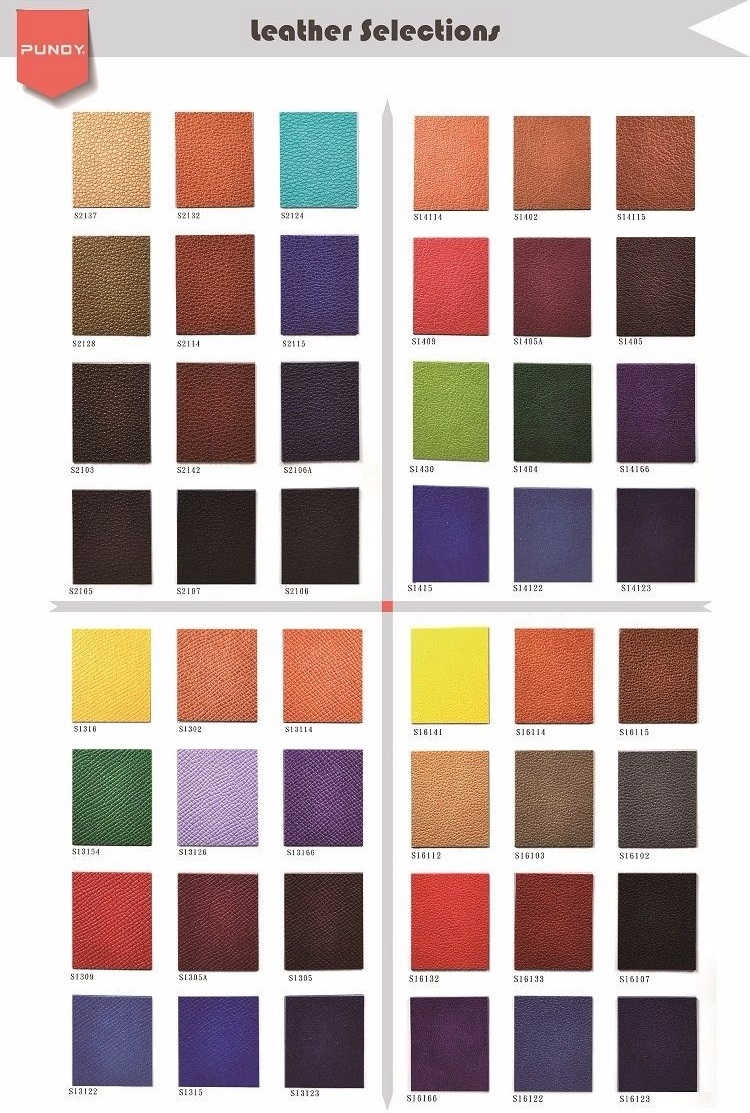
Choose the surface before you choose the logo finish. Colour, texture and the selected cover construction affect how a design looks and feels.

Illustrative colour palette, not a material swatch chart. Approve the physical material sample.

Name the material clearly

PU cover material is a polyurethane synthetic material, commonly referred to in the trade as PU leather; it is not genuine leather.

Paper, linen and genuine leather options should be specified separately and confirmed for the selected product. Do not use “leather” alone when requesting a PU-covered notebook.

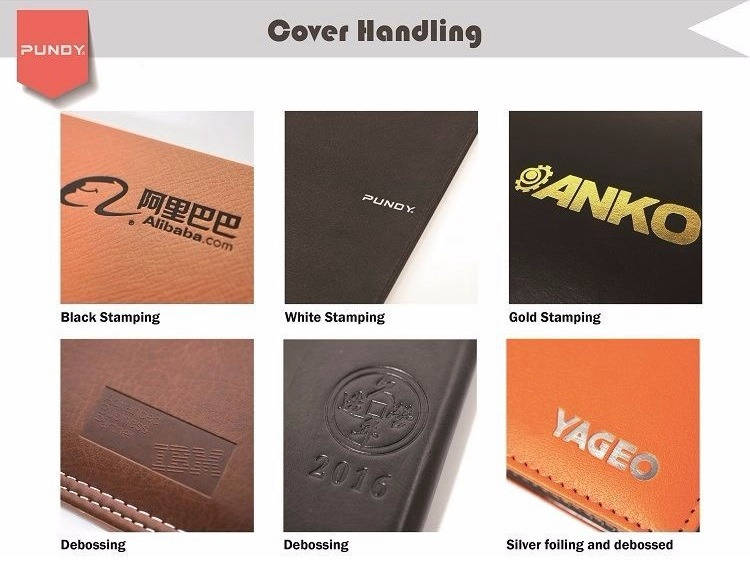
Choose how your logo appears

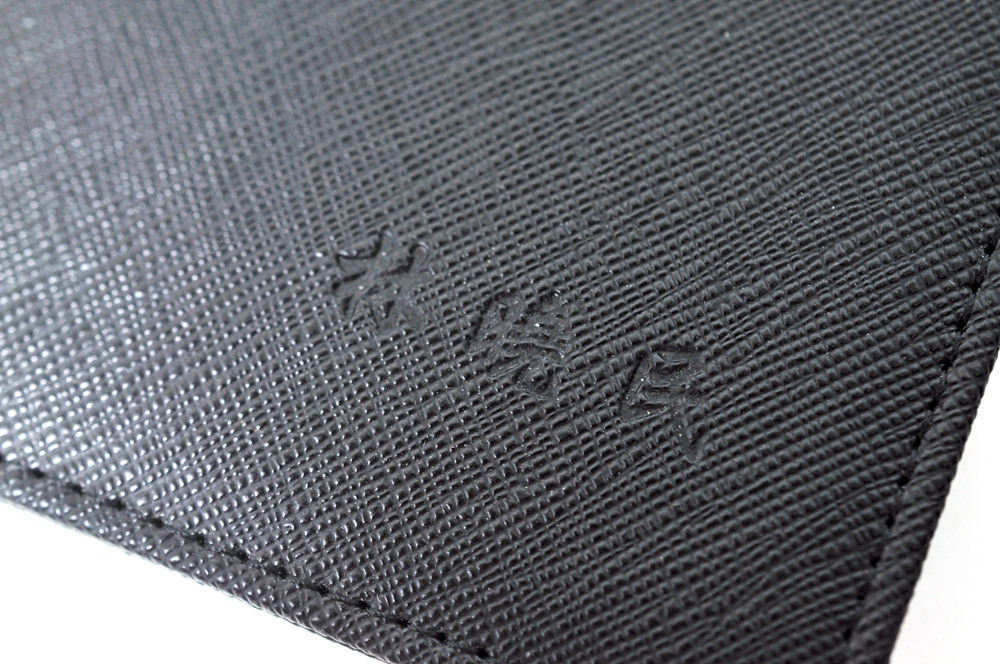
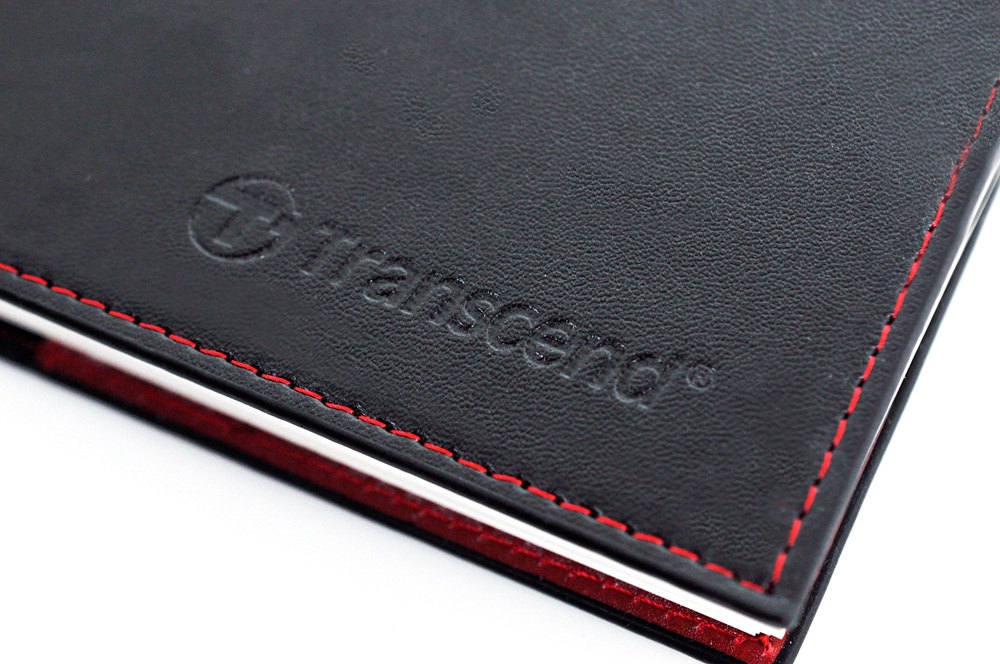
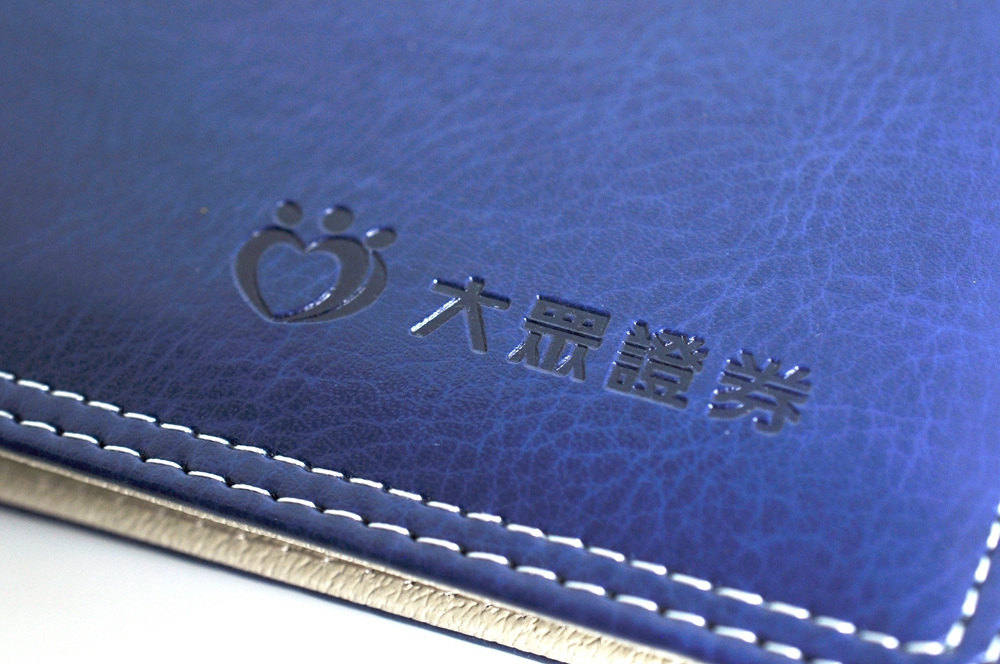
Debossing / embossing

For a pressed-in or raised surface effect. Check artwork detail and suitability with the cover material.

Foil stamping

For a foil accent, including gold or silver effects. Confirm foil colour, line weight and placement.

Screen printing

For a printed logo or graphic. Confirm colour, ink coverage and suitability on the chosen surface.

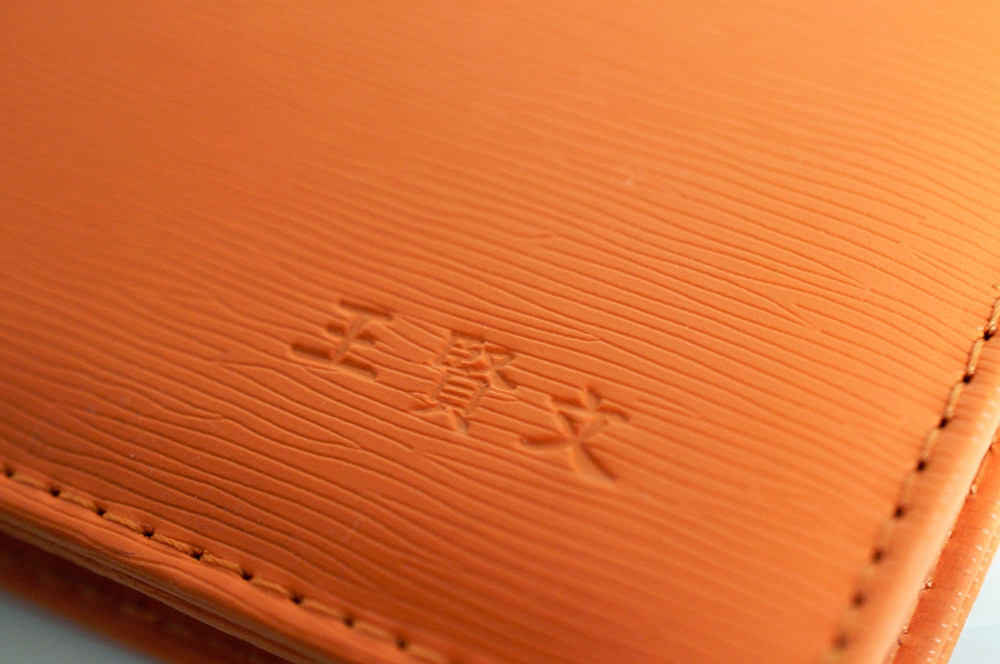
Review the logo at its actual production size. Fine lines, small lettering and placement near edges or closures need to be assessed with the selected material and process.

06 / Add what the user will actually need

Useful details. A considered finish.

Choose accessories for a reason. Each addition should support the user’s routine and work with the size and construction.

Close & carry

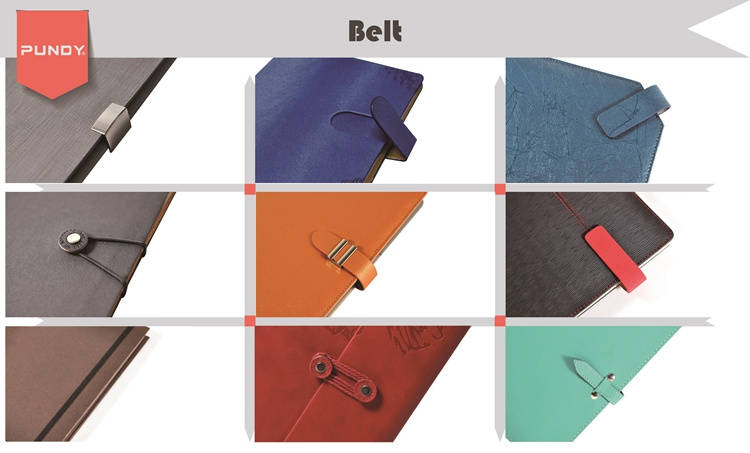
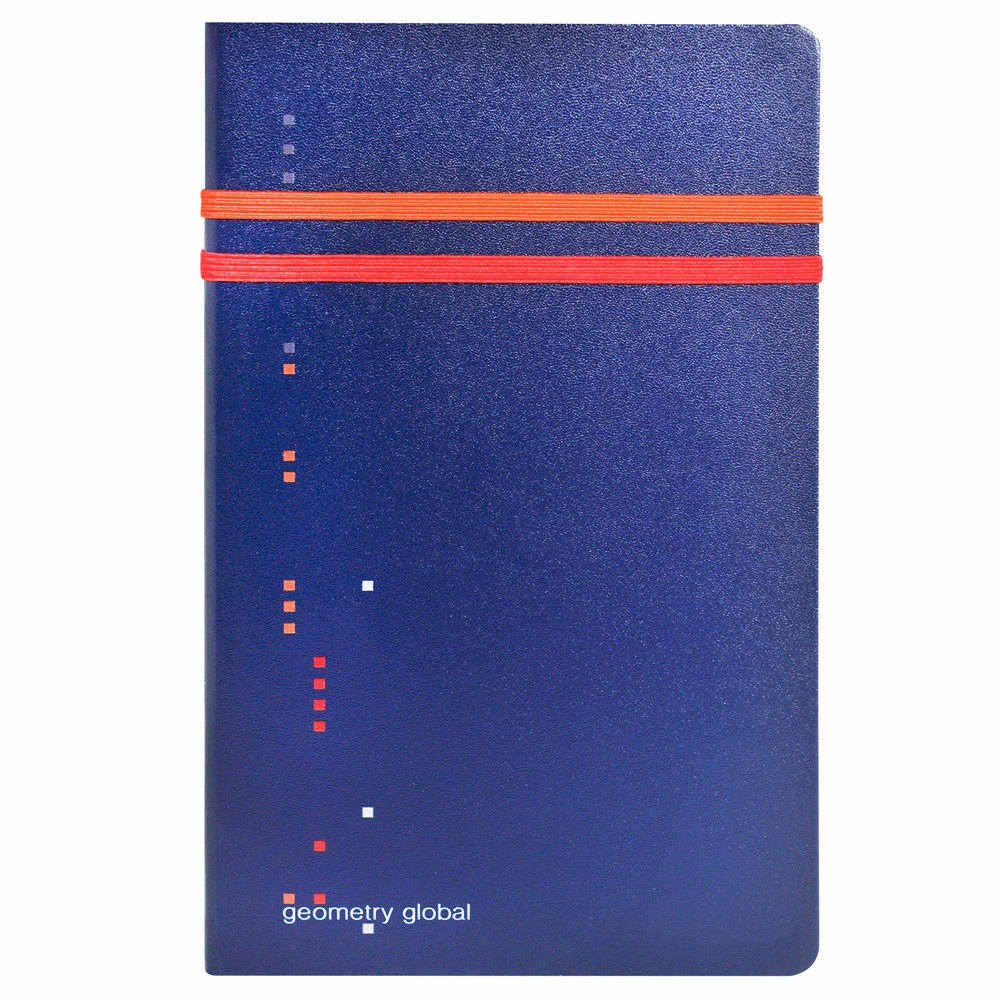
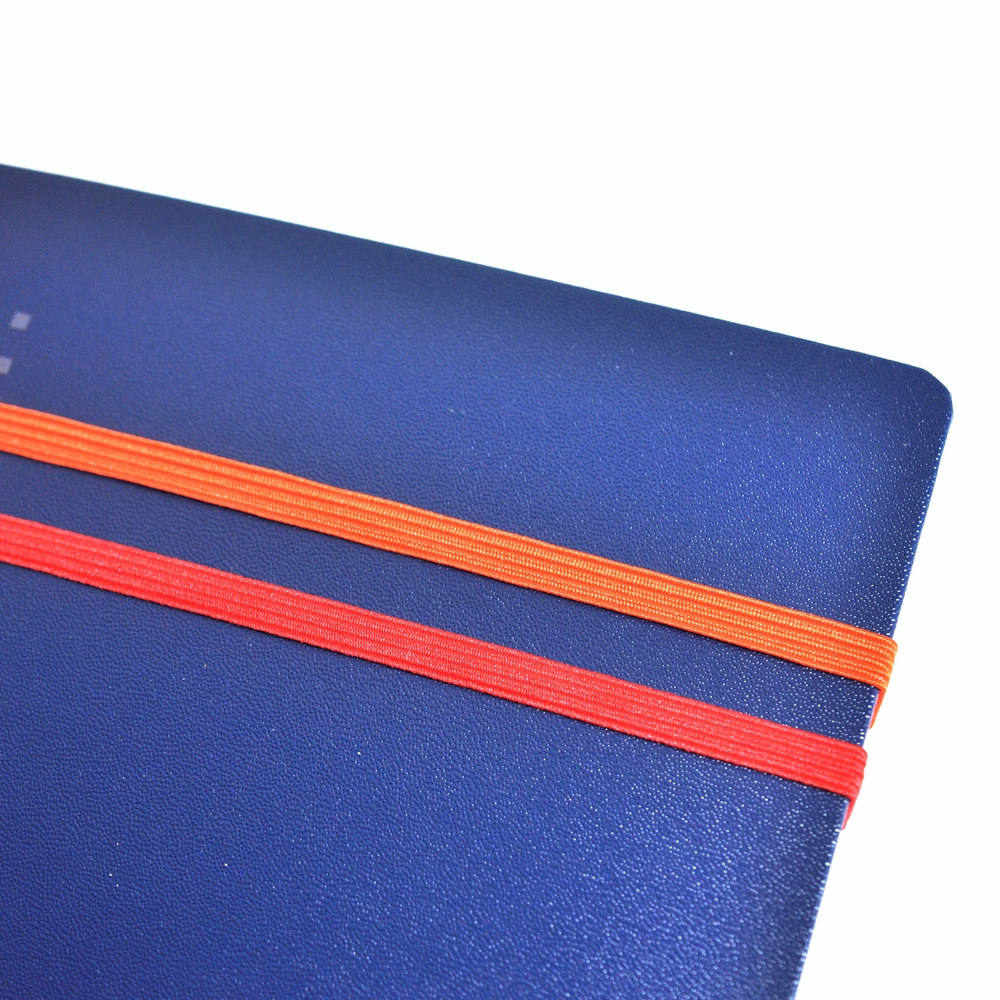
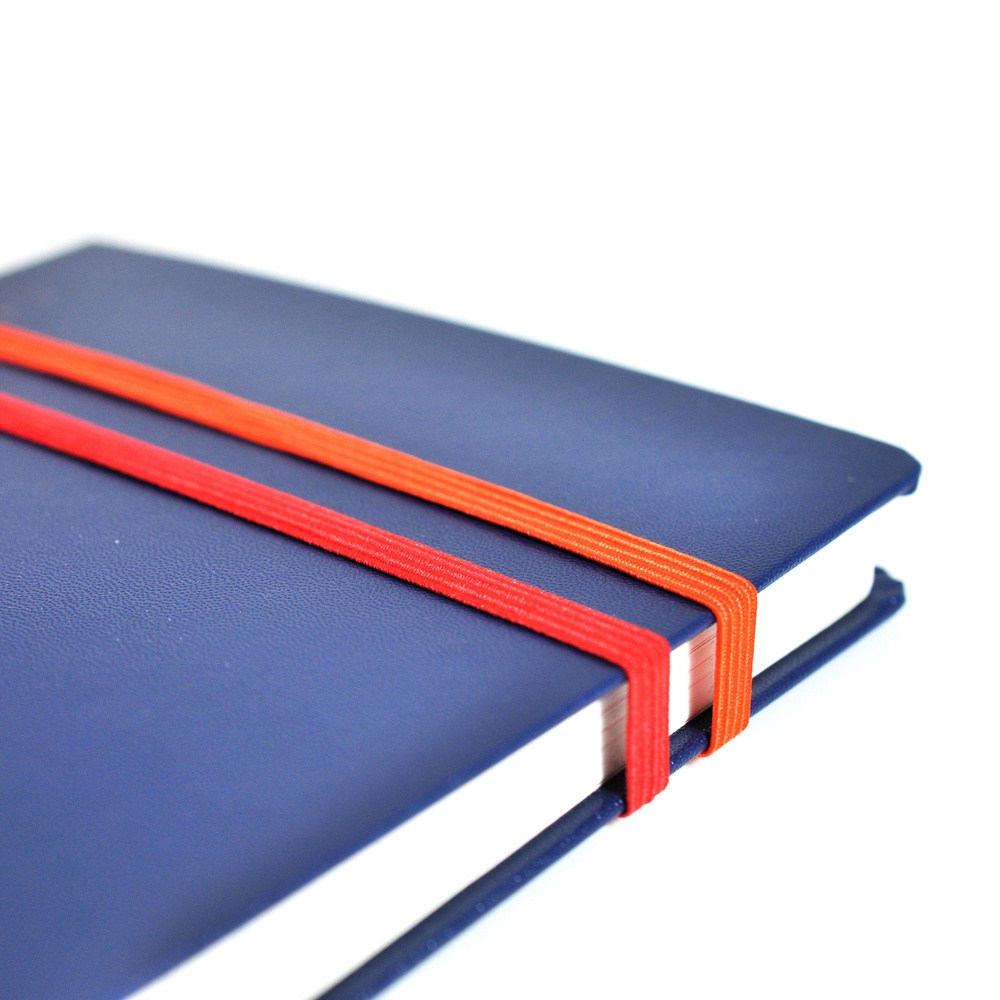
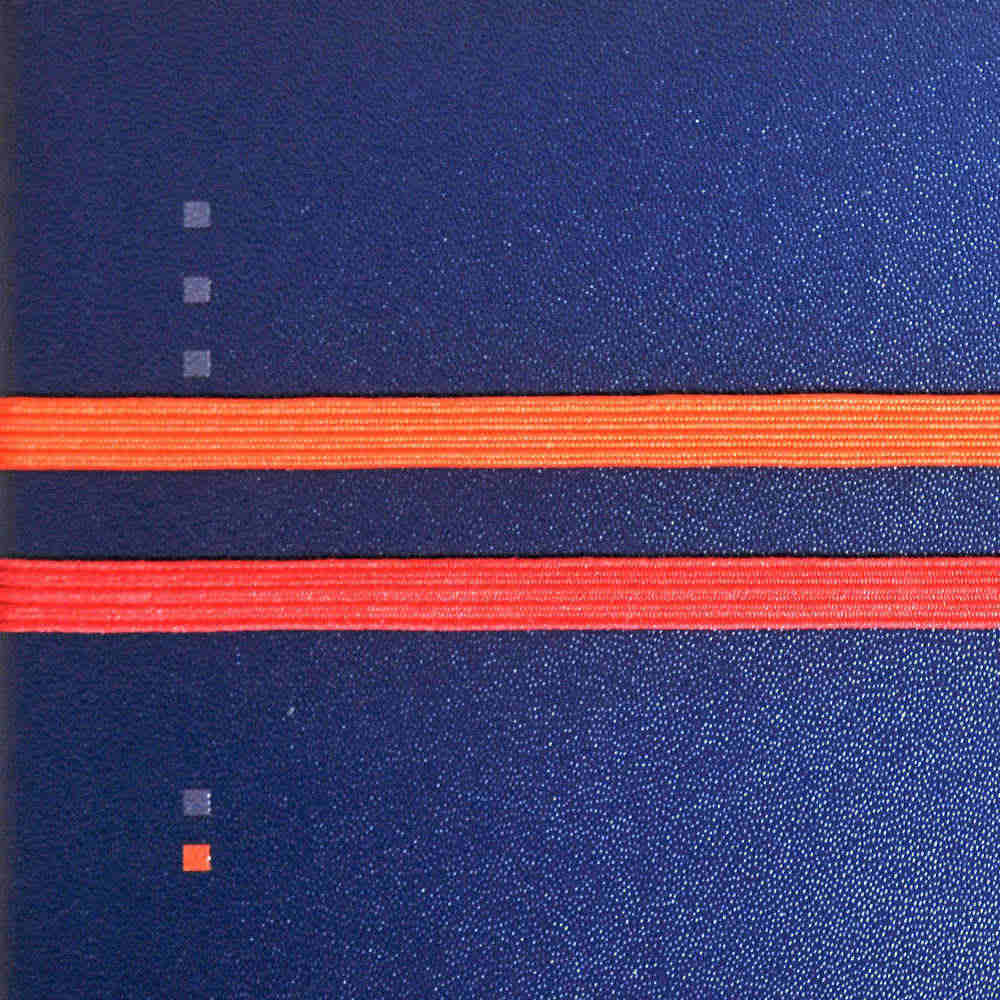
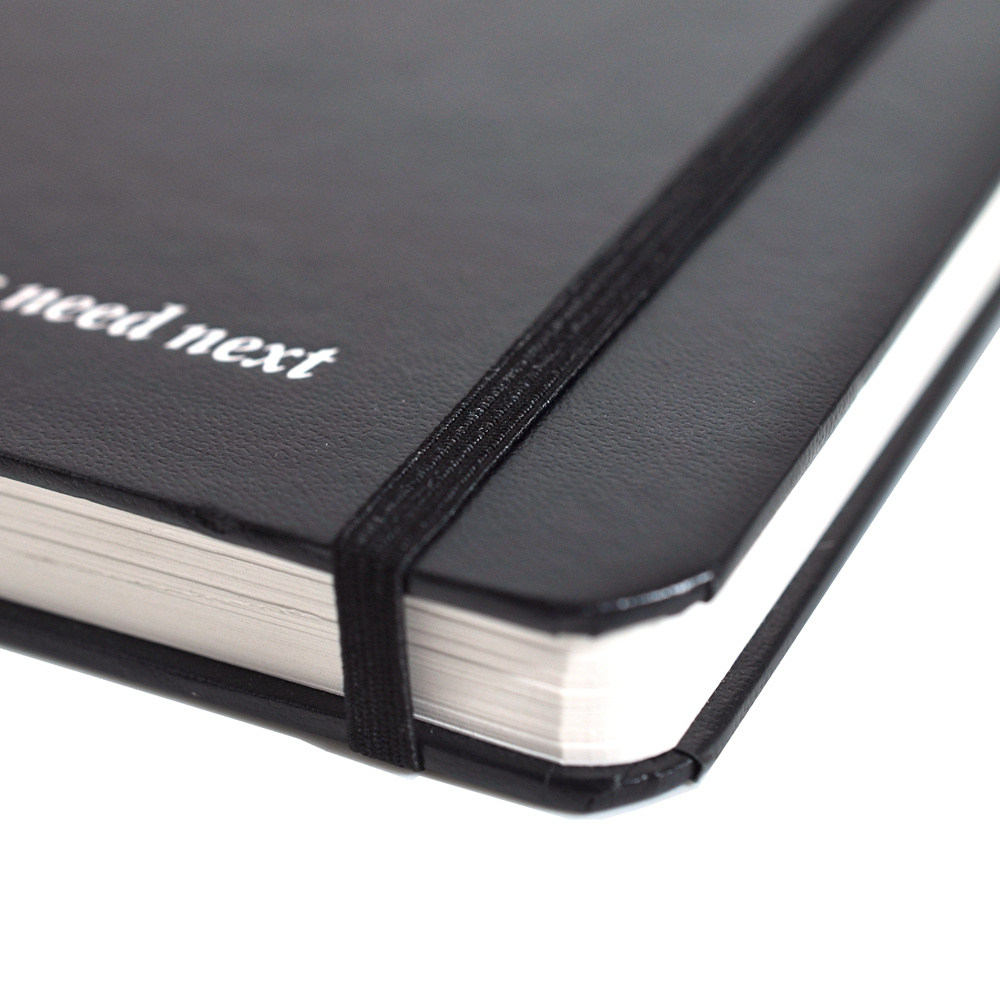
Discuss an elastic band, strap or other closure. Match the colour and fit to the cover and the intended book thickness.

Find & organize

Consider a ribbon marker, dividers, page tabs, card sleeves or a pen holder, depending on the selected product.

Store & present

Discuss document pockets, zipper pouches, pocket pages and packaging that suits your retail or gifting project.

Looking for a particular organizer accessory?

Send a reference for document sleeves, business-card holders, bookmark dividers, index dividers, pen fittings or specialty inserts such as calculator or disc sleeves. Availability and compatibility are assessed for the selected organizer; catalogue examples are not universal fit guarantees.

Browse organizer accessories →
Bring your choices together

You don’t need every answer.
Just a useful starting brief.

Tick what you already know. If something is undecided, tell us the intended use and we can discuss the next decision with you.

This is an on-screen checklist, not a submitted form. Your selections are not sent or saved.

Copy a simple enquiry outline

We are planning a custom notebook for: …
Quantity / number of designs: …
Preferred size / binding: …
Layout / page count / paper requirements: …
Cover / logo / accessories: …
Delivery destination / required arrival date: …
Reference images or artwork available: …
We would like advice on: …

A few answers before you ask

Custom notebook buying FAQs

What should I choose first?

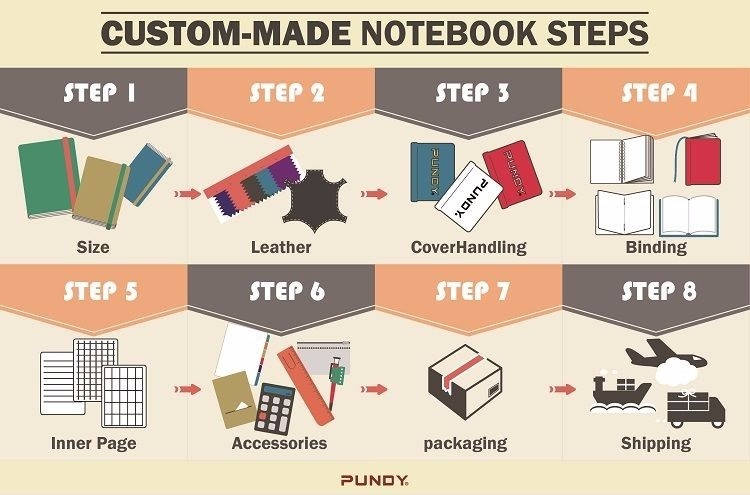
Start with the user and purpose. Choose binding, size, layout and paper before refining the cover and accessories.

Hardcover or refillable?

Fixed pages suit a complete edition. Refillable formats suit users who replace or rearrange inserts. Check capacity and refill compatibility.

Does A5 mean the same as 25K?

No exact equivalence should be assumed. ISO A5 is 148 × 210 mm. Confirm the PUNDY model’s trim size, cover size and refill holes.

Which paper should I choose for fountain pens?

Test candidate papers with the actual nib and ink. Compare drying, feathering and reverse-side readability.

Read the paper guide →
Can I supply my own logo and page artwork?

Share your files for review with the selected materials and processes. Design collaboration and sampling are confirmed by project.

What affects the quote and timing?

Quantity, designs, size, page count, materials and finishes. Send your destination and required arrival date; shipping is planned separately.

Review the ordering process →
Go deeper, only where you need to

Your next useful guide.

PUNDY · Taiwan-based manufacturer · Since 1990. Selection guidance, not a final specification. Product configuration, materials and project conditions are confirmed through quotation and approved samples.

For long-term paper records in R&D and laboratory teams, see custom laboratory notebooks.


Press Release